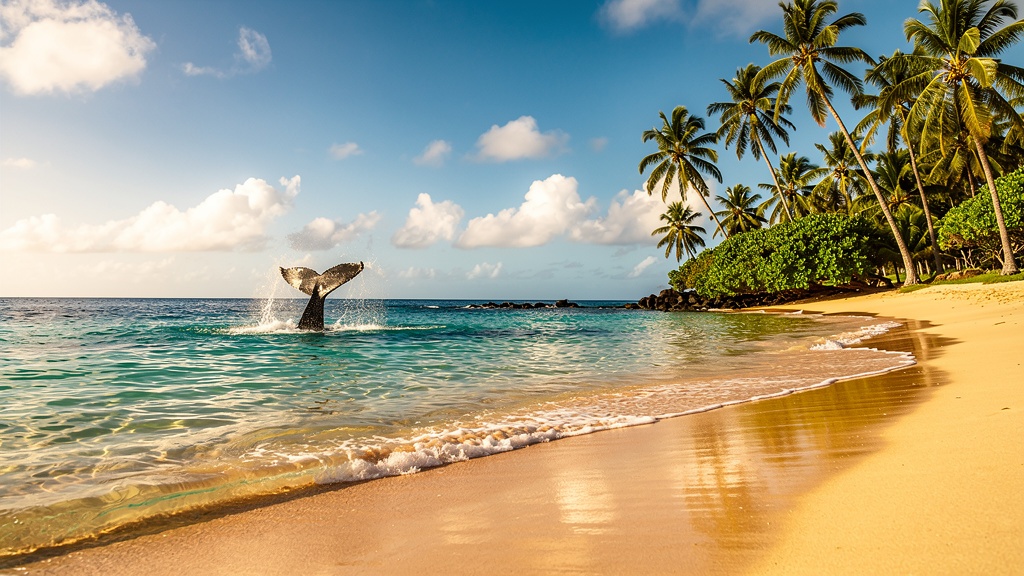
When to go
Best time to visit Hawaii
Hawaii is warm year-round, but "best" depends on what you want: whales, surf, sun, or savings. Here's the honest breakdown.
The short answer
Sweet spots by season
| Season | Weather | Crowds & price | Best for |
|---|---|---|---|
| Jan–Feb | Warm, some rain | Peak crowds, high prices | Whale watching, North Shore surf |
| Mar–Apr | Mild, drying | Moderate | Whales (early), good balance |
| May–Jun | Sunny, dry | Rising crowds | Beaches, snorkeling, road trips |
| Jul–Aug | Hot, dry | Peak summer crowds | Family trips, calm North Shore |
| Sep–Oct | Warm, calm seas | Lower crowds | Snorkeling, best value |
| Nov–Dec | Wetter, storms possible | Holiday peak | Whales arriving, surf season begins |
By activity
Best time for each experience
Whale watching
Dec–Apr, peaking Jan–Feb. Maui is the best island.
North Shore surf
Winter (Nov–Feb) brings the big waves to Oahu's North Shore.
Snorkeling
Calm seas and clear water are best May–Oct; mornings are always clearest.
Volcano viewing
Any time, but check eruption status — viewing changes constantly.
Hiking
Year-round; avoid the wettest winter months on windward trails.
Hurricane season
June–Nov carries a small tropical storm risk. Watch forecasts and travel insurance.
By island
When each island shines
- Oahu: great year-round; winter for North Shore surf, summer for calm swimming.
- Maui: winter for whales; summer for calm south-shore water.
- Kauai: driest and sunniest on the south shore May–Oct; north shore is lush all year.
- Big Island: Kona side dry and sunny most of the year; Hilo is wetter — pack accordingly.
- Molokai & Lanai: similar to Maui; quietest in shoulder seasons.
Rain reality
Every island has a wet side and a dry side. A "rainy" forecast for Hilo doesn't mean Kona is wet — check by region, not island.
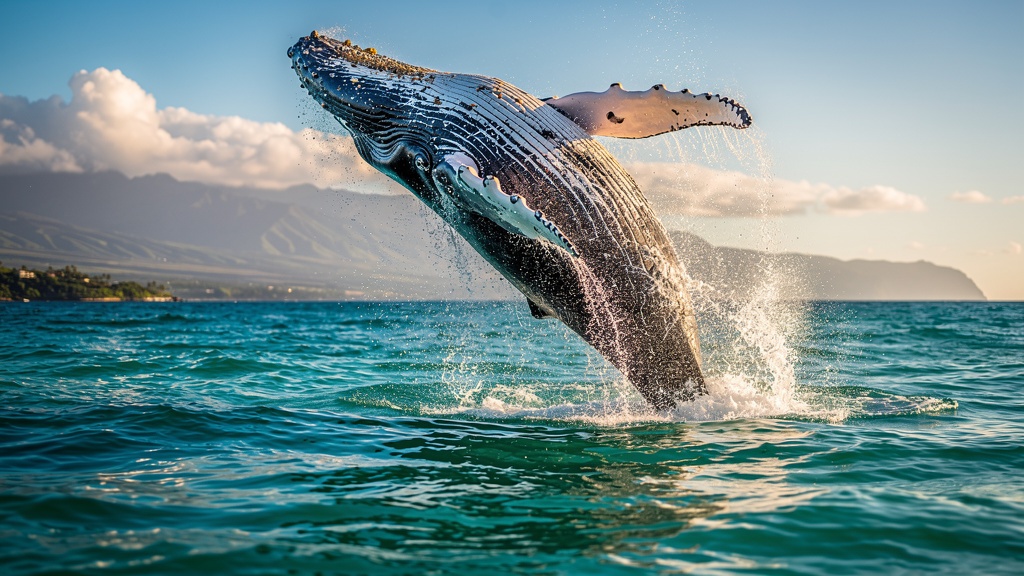
Whale season (Dec–Apr) is the single biggest reason to time your trip to winter.