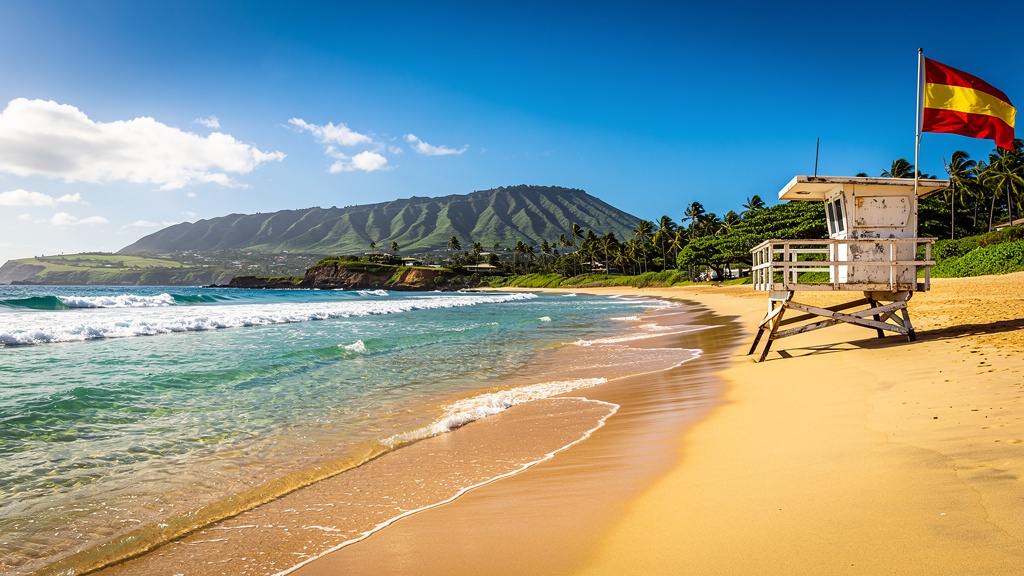
Stay safe
Safety & ocean etiquette
Hawaii is gentle and powerful at the same time. A few habits — and a respect for locals and the land — make the trip safer for everyone.
Ocean safety
The rules every visitor should know
Check before you swim
Read the lifeguard flag and the beach conditions board. Ask a lifeguard if you're unsure.
Don't turn your back on the ocean
Big sets come in groups. Rogue waves can sweep you off rocks and ledges instantly.
Know your limits
Most drownings involve confident swimmers going past their skill level. If in doubt, stay shallows.
Use reef-safe sunscreen
Hawaii bans oxybenzone and octinoxate. Mineral / zinc sunscreens only.
Wear water shoes
Lava rock, coral, and sea urchins make barefoot risky on most shores.
Stay 3 ft from marine life
Hawaii protects all marine mammals, sea turtles, and reef creatures — observe from a distance.
Flag system
What the flags mean
- Green: low hazard, calm conditions — generally safe.
- Yellow: medium hazard, use caution, swim with a buddy.
- Red: high hazard, dangerous conditions — strong currents, big shorebreak.
- Double red / purple: water closed. Don't go in.
- No flag: no lifeguard. Conditions are unknown — treat as higher risk.
Lookouts & rocks are not lifeguarded
A stunning lookout doesn't mean a safe entry. Many coastal deaths happen at scenic points with no supervision.
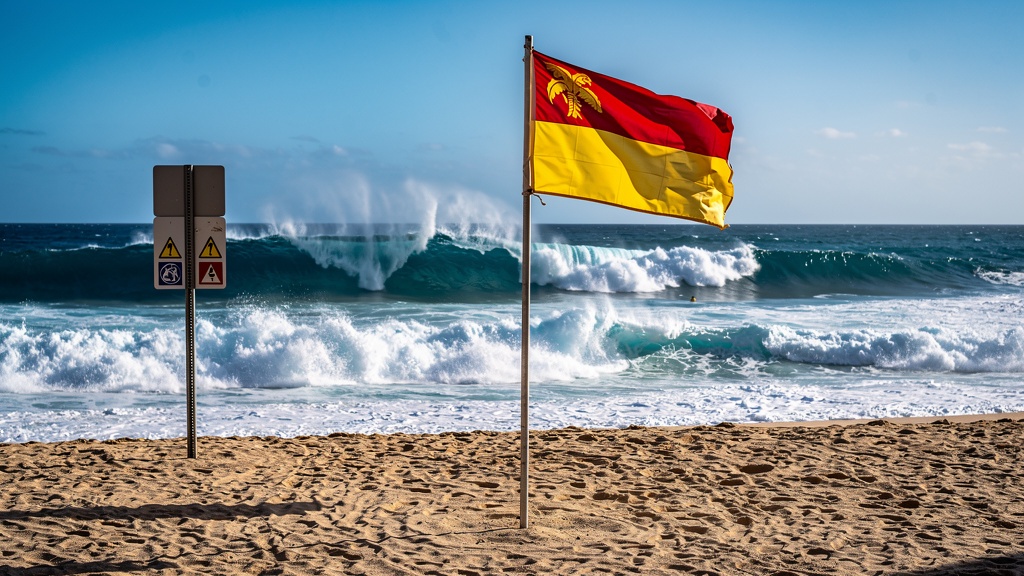
A two-minute read of the conditions board beats a decade of "I thought it was fine."
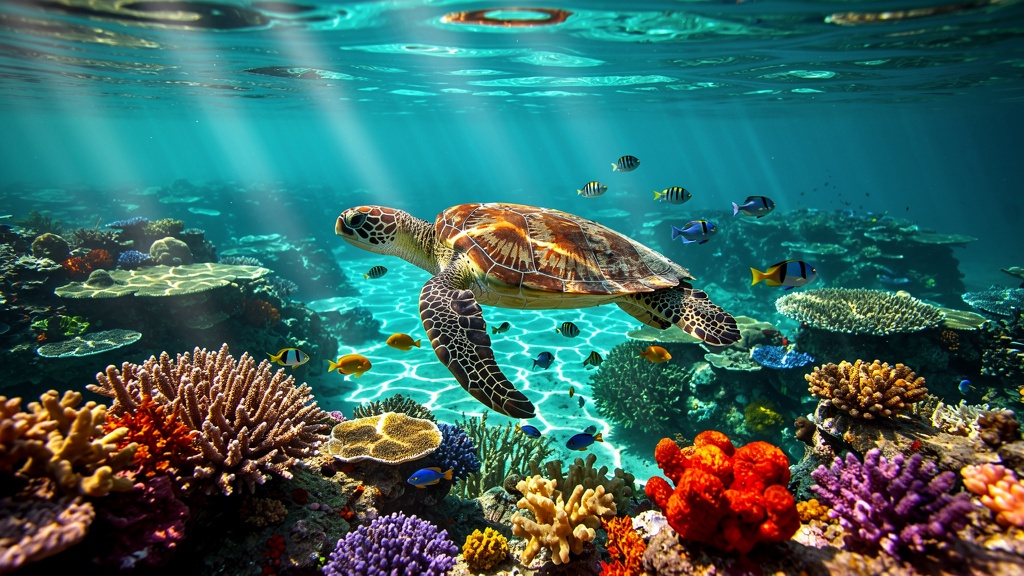
Hawaii's reefs are fragile — touching, standing, or kicking coral kills decades of growth.
Reef etiquette
Treat the reef like a temple
- Look, don't touch: coral is alive and painfully slow to grow back.
- No standing on coral: even with reef shoes — fins can also drag on the bottom.
- Secure your gear: masks, fins, and sunscreen floats easily back into the reef.
- Stay off the reef at low tide: it's tempting to walk out — just don't.
- Take photos, not pieces: coral, shells, and rocks belong here.
Weather & volcano
Storms, surf, and volcano cautions
Hurricane season
June–November; the highest risk is August and September. Travel insurance helps.
Kīlauea updates
Check the USGS Hawaiian Volcano Observatory page before driving to the park — conditions change constantly.
High surf advisories
Big North Shore and west-shore swells close beaches; check daily in winter.
Flash flooding
Windsward and Hana streams can rise fast — never camp or park in a stream bed.
Vog on the Big Island
South Kona may have volcanic haze when winds shift. Sensitive lungs should plan accordingly.
Lava fields
New lava is sharp, unstable, and hot below the surface. Stay on marked trails and don't walk on it.