
Hawaiʻi Volcanoes National Park
Kilauea is one of the world's most active volcanoes. Check eruption conditions before you go — viewing changes constantly.
Hawaiʻi Island · The Big Island
The youngest and largest island — active lava at Kilauea, black-sand beaches, snow-capped Mauna Kea, and the best stargazing in the Pacific.
Overview
Officially named Hawaiʻi Island, it's twice the size of the other islands combined — and the only one where you can watch a volcano actively shape the land.
The Big Island is divided between two worlds: the sunny, dry Kona side (resorts, coffee, manta rays) and the rainy, lush Hilo side (waterfalls, rainforest, the volcano). Driving between them takes 2–3 hours, so most visitors split their stay between both coasts.
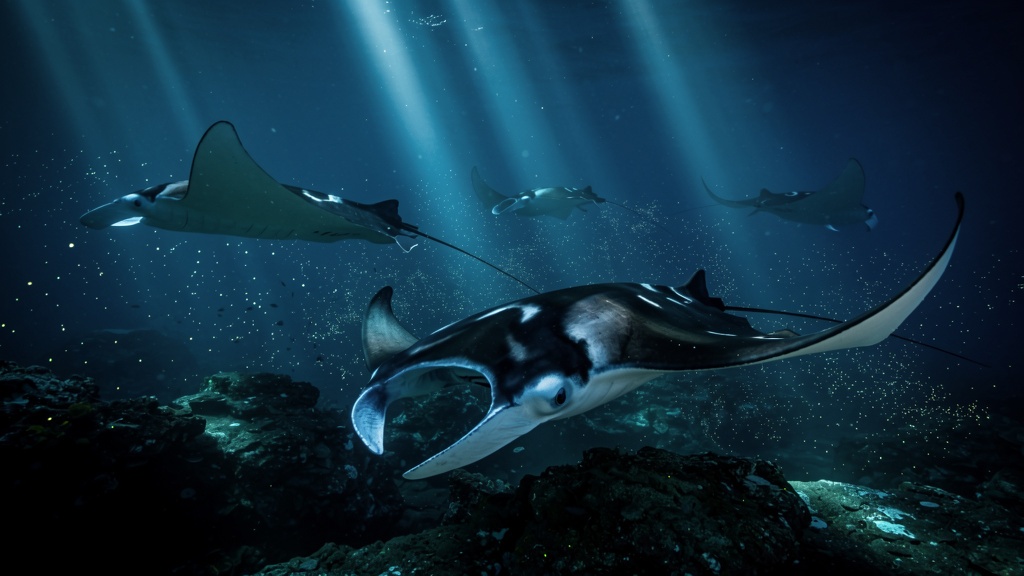
Night manta ray dives off Kona are one of Hawaii's most magical experiences.
Top experiences
Kilauea is one of the world's most active volcanoes. Check eruption conditions before you go — viewing changes constantly.
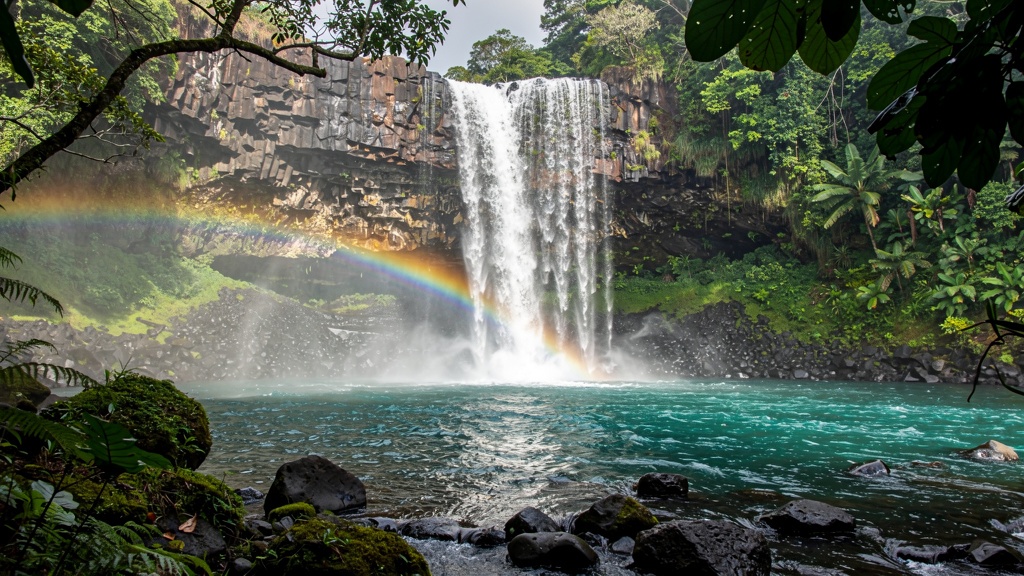
Rainbow Falls, Akaka Falls, and the lush Hamakua Coast — the greenest, rainiest, most dramatic side of the island.
Kona's night manta experience draws the world's largest concentration of manta rays. Snorkel or dive from a boat.
Know the island
Sunny resorts, coffee farms, snorkeling at Kealakekua Bay, and the manta ray night dive. The main visitor base.
Rainforest, waterfalls, farmers markets, and the most authentic local feel. Wetter and greener.
Hawaiʻi Volcanoes National Park, the town of Volcano, and Kilauea's ever-changing eruptions.
13,796 feet — world-class stargazing and sunset above the clouds. Check road and weather conditions.
The southernmost point in the US and the famous black-sand beach where green sea turtles rest.
Paniolo (cowboy) country, rolling green hills, and the dramatic Pololu Valley overlook.
Where to stay
| Style | Where | Why |
|---|---|---|
| Resort & snorkel | Kona / Kohala Coast | Sunny beaches, calm water, and the best resorts on the island. |
| Volcano & adventure | Volcano / Hilo | Close to the park, waterfalls, and rainforest hikes. |
| Families | Kona Coast | Calm bays, kid-friendly snorkeling, and easy resort amenities. |
| Budget | Hilo | Cheaper lodging and food; a more local experience. |
| Stargazers | Waimea / Kona | Access to Mauna Kea tours and dark-sky viewpoints. |
Practical notes

The Kona coast at sunset — black lava meets turquoise water.